One of the most common questions dog owners ask is how often they should be bringing their dog in for grooming. The honest answer is: it depends — on the coat type, the breed, the individual dog's lifestyle, and the time of year. What works well for a short-haired beagle is completely different from what a Bernese Mountain Dog or a cockapoo needs.
This article walks through the main coat categories and what kind of grooming schedule typically serves each one well. It also covers some practical factors that affect frequency — things like shedding season, outdoor activity, and how much home maintenance you're able to do between visits.
Why Grooming Frequency Matters
Beyond the obvious aesthetic question of how a dog looks, grooming frequency has a real effect on their comfort and health. Coats that aren't maintained regularly can develop mats — tangled, compressed sections of fur that press against the skin, restrict movement, and in severe cases cause skin irritation or harbour moisture that leads to bacterial issues. Nails that aren't kept trimmed can affect how a dog walks, placing unusual pressure on joints that compounds over time. Ear buildup that isn't cleared can contribute to infections in dogs predisposed to ear problems.
Regular grooming also gives a professional an opportunity to notice things that owners often miss — early-stage skin issues, lumps, ear redness, or coat changes that might be worth mentioning to a vet. This isn't a medical examination, but attentive groomers who work with a dog regularly develop a sense of what's normal for that animal.
Coat Type Categories
Short, Smooth Coats
Breeds like beagles, Dalmatians, boxers, whippets, pugs, and many terriers have short, close-lying coats that require the least professional grooming. These dogs benefit from a bath every 6–12 weeks, regular nail trims, and occasional deshedding brushing at home. Despite the low maintenance, short-coated dogs do shed — some quite significantly — and regular at-home brushing with a rubber curry brush or grooming mitt makes a real difference in how much fur ends up on your furniture.
Professional appointments for short-coated dogs are primarily about bathing, blow-drying, nail trimming, and ear cleaning. Some owners include these dogs in a quarterly professional visit and manage everything else at home.
Medium-Length Coats
Dogs with medium-length coats — Labrador retrievers, Australian shepherds, border collies, cocker spaniels, and many medium-sized mixed breeds — tend to fall in the middle range in terms of maintenance. Their coats are more prone to tangling behind the ears, in the armpits, and around the collar area, so regular brushing at home (2–3 times a week) is important, particularly for the feathering on legs and ears.
Professional grooming every 6–8 weeks works well for most dogs in this category. Cocker spaniels and similar breeds with longer ear and belly furnishings may need trimming more frequently to keep the coat from matting at the ends.
Long, Flowing Coats
Shih tzus, Maltese, Yorkshire terriers, Afghan hounds, and similar breeds with long, silky coats require the most consistent maintenance. These coats mat readily if not brushed through properly and regularly. Professional grooming every 4–6 weeks is typical, and home brushing ideally happens several times a week — sometimes daily for the longest coats.
Owners who can't commit to that brushing schedule often opt for a shorter, more manageable cut — keeping the dog in what groomers call a "puppy cut" rather than maintaining full coat length. This is a completely practical choice and not a lesser one. A shorter coat that stays well-maintained is better for the dog than a long one that's perpetually tangled.
Curly and Wavy Coats
Poodles, poodle crosses (labradoodles, goldendoodles, cavapoos), and similar breeds with curly or wavy low-shed coats are among the highest-maintenance when it comes to grooming. Because they don't shed in the way double-coated dogs do, dead fur stays in the coat — and in curly coats, it mats quickly and densely.
These dogs typically need professional grooming every 6–8 weeks, and many benefit from visits every 4–6 weeks. At-home brushing is critical — these coats mat at the skin level, not just on the surface, which means by the time a mat is visible from the outside, it may already be significant. Daily brushing with the right tools is the standard for owners maintaining a longer style on these breeds.
"The most common reason a dog needs a shave-down is a coat that was left too long between professional visits. Regular grooming prevents the situation from reaching that point."
Double Coats
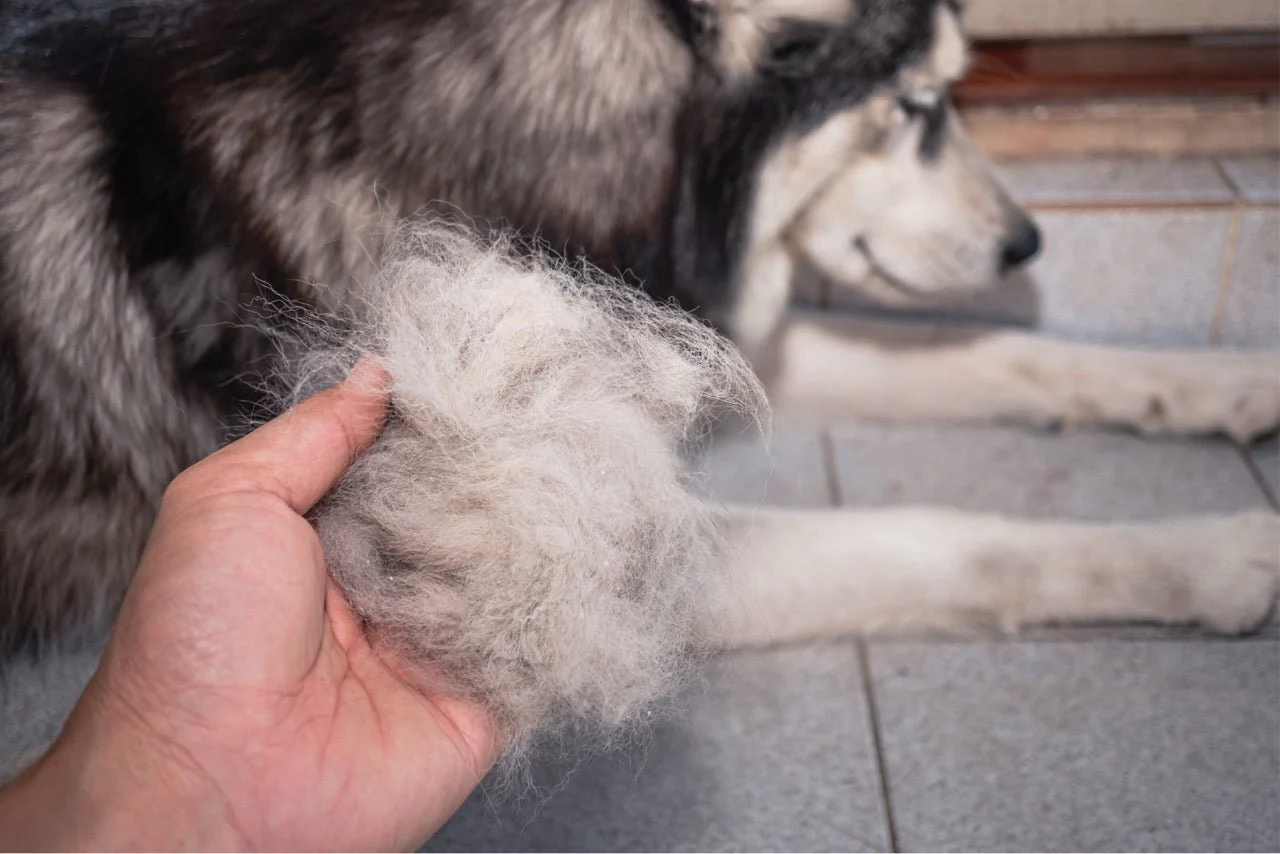
Siberian huskies, German shepherds, golden retrievers, Akitas, Samoyeds, Bernese Mountain Dogs, and many other working and sporting breeds have a double coat — a soft, dense undercoat beneath a coarser outer layer. These breeds shed the undercoat seasonally (twice a year, typically spring and fall) and require a different approach than coats that need trimming.
Double-coated breeds shouldn't generally be shaved — the coat has insulating properties in both cold and warm weather, and shaving can sometimes interfere with how it grows back. Instead, these dogs benefit from regular professional baths and blow-outs, plus targeted deshedding treatments during the heavy shed seasons.
A typical schedule for double-coated breeds might be professional grooming every 8 weeks, with deshedding treatments in April/May and September/October. At home, thorough brushing 2–3 times a week with the right undercoat tools makes a significant difference.
Seasonal Factors
Spring and fall coat transitions are the busiest periods for groomers, and with good reason — many dogs blow their coats during these seasons, and the sheer volume of loose fur can overwhelm an otherwise manageable coat. Booking during these periods often means longer waits, so planning ahead is worthwhile.
Summer coat management is particularly important in Canada, where warm summers follow cold winters. Some dogs develop heavier winter undercoats than their breeds typically carry, and clearing that before warm weather arrives makes a real difference in their comfort.
Winter brings its own considerations. Dogs that spend time outdoors in snow and ice accumulate salt residue and small ice balls in their paw fur, which can be irritating. Regular paw checks and occasional winter baths to clear road salt from the coat are good practice, even outside of a regular grooming schedule.
Nail Trimming: Its Own Schedule
Nails grow at different rates depending on the dog — activity level, the surfaces they walk on, and individual genetics all play a role. A dog that spends a lot of time on hard surfaces (pavement, concrete) naturally wears their nails down more than one who primarily walks on soft ground. But most dogs benefit from nail trimming every 4–8 weeks regardless.
A good indicator: if you can hear the nails clicking clearly on a hard floor, they're due for a trim. Nails that curl and begin to arch toward the paw are overdue and may already be causing discomfort. For dogs with active, outdoor lifestyles, checking monthly is a reasonable habit.
Building a Practical Schedule
The most practical approach is to set a recurring schedule with your groomer and stick to it. Dogs on regular schedules tend to arrive in better condition, their groomers know their individual quirks and coat history, and sessions typically run more smoothly. Sporadic, as-needed visits often involve more work — more dematting, more deshedding backlog — and can be more stressful for the dog because the salon environment isn't familiar.
When setting up a schedule, be honest with yourself about how much home brushing you're realistically going to do. If the answer is "very little," book professional appointments slightly more frequently. The combination of home maintenance and professional grooming is what keeps coats in genuinely good condition — and the balance point is different for every owner.
A Note on Ear and Eye Hygiene
Some breeds — particularly floppy-eared dogs and those with hair growing inside the ear canal — are prone to ear buildup or infections and benefit from ear cleaning every few weeks, either at home or as part of a professional visit. If your dog shakes their head frequently, scratches at their ears, or the ear has an unusual smell, it's worth checking in with your vet.
Breeds with hair growing over or near the eyes — Shih tzus, Old English Sheepdogs, schnauzers — need regular face trims to keep vision unobstructed. This is often included in a professional grooming session, but for dogs that grow facial hair quickly, it may warrant more frequent trims between full appointments.
Frequently Asked Questions
Short-haired dogs generally need professional grooming every 8–12 weeks, primarily for bathing and nail trimming. Regular home brushing 1–2 times weekly helps manage shedding in between visits.
Double-coated breeds benefit from professional grooming every 6–8 weeks, with deshedding treatments added in spring and fall during heavy coat transitions. At-home brushing several times a week is highly recommended.
Depending on the coat type, neglecting regular grooming can lead to painful matting, skin irritation, overgrown nails that affect gait, ear buildup, and difficulty seeing in breeds with heavy facial hair. In severe cases, severely matted coats may require a full shave-down to resolve.
For most services — brushing, nail trimming, ear cleaning — more frequent is generally fine. For bathing, too-frequent washing with strong shampoos can strip natural coat oils in some dogs. Using gentle, moisturising shampoos and monitoring skin condition is the sensible approach if you're bathing more than monthly.
Not Sure What Schedule Works for Your Dog?
We're happy to take a look at your dog's coat and suggest a maintenance schedule that's realistic for you both. Reach out any time.
Get in Touch